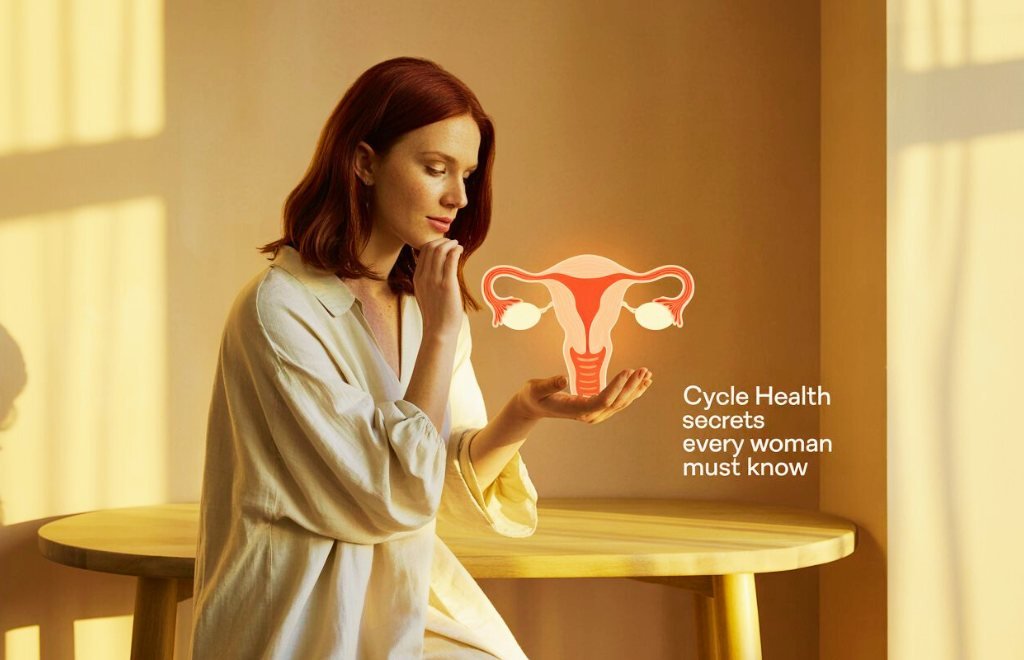
Your body talks to you every month. Are you listening? Many women miss key signs their bodies send. These signs tell us about our cycle health.

Gaining knowledge about your menstrual cycle improves your mood. Additionally, it keeps you healthy. We’re going to reveal ten secrets today that will transform your life.
Why Cycle Health Matters So Much
Your monthly cycle does more than you think. It shows how your whole body works. Good cycle health means good overall health.
Most women get taught very little about their cycles. This lack of knowledge hurts us. We suffer when we could feel great instead.
Smart women track their cycles. They know when changes happen. This aids in their decision-making regarding their diet, level of exercise, and general lifestyle.
First Secret: Monitor Your Cycle Each Month
Writing down your cycle dates helps a lot. Use a simple calendar or phone app. Mark the first day of your period each month.
Also note how you feel each day. Write down your mood and energy levels. This creates a helpful pattern over time.
Good tracking lets you know what your body is used to. Then, issues can be identified early. Future problems are avoided by taking early action.
You can improve your cycle health by paying attention to patterns. The typical cycle of a woman lasts between 21 and 35 days.
The second secret is to eat the right foods at the right times.
The foods that your body needs depend on the stage of your cycle. Each month, this knowledge transforms your emotions.
You should eat meals high in iron when you are menstruating. Consider spinach, beans, and lean meat. When you bleed, they replace what you lose.
Before your period starts, eat complex carbs. Sweet potatoes and oats help balance your mood. They also reduce cravings for junk food.
Focus on protein once your period is over. Nuts, eggs, and fish all aid in the creation of hormones. This improves your cycle health naturally.
Secret 3: Your Hormones Are Affected by Sleep Patterns
Sleep deprivation throws off your cycle’s equilibrium. While you sleep, your body produces vital hormones. Lack of sleep causes confusion in all areas of life.
Make an effort to obtain seven to nine hours each night. Make sure your bedroom is cold and dark. One hour prior to going to bed, turn off your phone.
Some women need more sleep before their periods. Observe your body’s signals. A better cycle health is promoted by getting more sleep at this time.
Create a relaxing evening routine. Read a book or have a warm bath. Peaceful activities prepare your body for deep sleep.
Secret 4: Stress Disrupts the Balance of Your Cycle

An excessive amount of stress entirely stops your period. Additionally, it causes painful and irregular menstruation. Effective stress management becomes essential for cycle health.
Every day, try deep breathing techniques. Stress hormones can be decreased in as little as five minutes. During your lunch break or as part of your morning ritual, do this.
Your body relieves tension while you exercise. Dancing, yoga, and walking are all beneficial to your health. To stay with something you enjoy, find something you enjoy doing.
When tension rises, talk to loved ones. People feel smaller when they share their issues. Social support enhances cycle health and mental health.
Secret 5: Use Your Cycle to Your Advantage When Working Out
Your energy varies over the different phases of your cycle. Working out at the right times is easier and more efficient.
When you’re menstruation, try doing mild activities. Walking or doing some light yoga will help reduce cramps. High-impact exercise could feel too challenging right now.
Once your period is over, you feel more vital. Both strength and cardio training benefit greatly from this. During this phase, your body repairs more quickly.
Avoid doing anything physically demanding just before your period. Bike riding and swimming are both great options. It’s possible that hard lifting will wear you out.
Understanding these patterns will improve your cycle health and fitness results. Work with your body rather than against it.
Secret 6: Everything Is Affected by Water Intake
Many women do not drink enough water. Menstrual symptoms are made worse by this disturbance of hormone balance. Staying properly hydrated is crucial for a healthy cycle.
Every day, consume eight glasses of water. More if you exercise or live in a hot climate. Your urine should be pale yellow rather than black.
Bloating during your period can be reduced by increasing your water intake. It also prevents headaches brought on by changes in hormones.
Herbal teas are included in your water consumption. Ginger tea relieves nausea. Better sleep and less tension are two benefits of chamomile tea.
Supplements Can Fill Important Gaps, Is the Seventh Secret
Even the healthiest diets might cause the loss of certain minerals. With the right nutrients, unpleasant symptoms are reduced and cycle health is enhanced.
Magnesium relieves tense and cramping muscles. Every day, take 200–400 mg. This mineral improves mood and sleep quality as well.
Iron keeps heavy periods from causing anemia. However, only take iron if blood tests indicate that you require it. An excess of iron might lead to stomach issues.
Hormone synthesis is supported by vitamin D. Low levels are common among women, particularly during the winter. First, have your levels tested by your physician.
Secret 8: Know When To See A Doctor

Certain cycle issues require medical care. Being aware of the warning indicators safeguards your general wellness and cycle health.
If your periods cease for three months or longer, see a doctor. Hormone disorders or other health concerns could be indicated by this.
Attention is required for extremely intense bleeding that seeps through a pad every hour. This could be a sign of fibroids or something else.
It is abnormal for severe discomfort to prevent one from going about daily tasks. This kind of pain is brought on by diseases like endometriosis.
Secret 9: Temperature Tracking Reveals Secrets
Your body temperature changes as your cycle goes on. You may learn a lot about the health of your cycle by monitoring these changes.
Take your temperature as soon as you wake up each day. Make use of a specialized thermometer that displays minute variations. Put the figures on a chart.
Temperature rises after ovulation occurs. This confirms your body released an egg. The pattern helps predict future cycles.
Some women use this method to avoid pregnancy. Others use it to plan pregnancy. Both require learning from a trained instructor first.
Secret 10: Natural Cycles Are Affected by Birth Control
Your natural hormone patterns are altered by birth control tablets. This affects how you track and understand your cycle health.
Pills create artificial cycles, not natural ones. The bleeding you get is withdrawal bleeding, not a real period.
Birth control helps some women feel better. Others favor the cycles of nature. For some folks, both options are acceptable.
You should anticipate changes if you stop using birth control. It may take several months for your regular cycle to recover. This is a moment to be patient with your body.
Building Better Cycle Health Habits

cycle health is greatly improved by small adjustments. Choose a secret or two from this list to begin with. Gradually, incorporate additional habits.
Write in a basic journal about your feelings. Keep track of your food intake and sleep duration. It will take a few months for patterns to appear.
Tell other women what you’ve learned. Many people suffer in quiet because they believe such issues are commonplace. Knowing makes everyone feel better.
Remember, every woman has her own cycle. You might not benefit from something that works for your friend. Pay attention to what your body is telling you.
Conclusion
Your daily mood is influenced by your cycle health. You may stay healthier and feel better with the help of these simple tips.
Take a look at your cycle now. Observe how your mood is impacted by diet, sleep, and stress. Over time, small adjustments result in significant discoveries.
Keep in mind that some issues require medical attention. When something doesn’t feel right, trust your body. Being in good cycle health is a right, not a luxury.
Discover these methods to take charge of your health. You’ll be glad you started today, your future self.
Frequently Asked Questions
How long should a normal cycle be?
Most healthy cycles last between 21 and 35 days. The average is 28 days. Your cycle should be fairly regular each month. Small changes of a few days are normal.
When should I worry about my cycle health?
See a doctor if your periods stop for three months. Also get help for very heavy bleeding or severe pain. These signs might indicate health problems that need treatment.
Can diet really improve my cycle health?
Yes, food choices affect your hormones and cycle health. Eating iron during your period helps replace what you lose. Complex carbs before your period improve mood and reduce cravings.
Do I need supplements for better cycle health?
Some women benefit from magnesium, iron, or vitamin D. But get blood tests first to see what you actually need. Too much of some vitamins can cause problems.
How does stress affect my cycle?
High stress can stop your period completely. It also makes periods irregular and more painful. Managing stress through exercise, sleep, and relaxation improves cycle health.
Is it normal for cycles to change as I age?
Yes, cycles naturally change throughout your life. Teenage cycles are often irregular. Cycles in your 40s might get shorter or longer. These changes are usually normal.
Can exercise make my cycle health better?
Smart exercise improves cycle health by reducing stress and balancing hormones. Match your workouts to your cycle phases. Gentle exercise during your period works better than high-impact activities.
Should I track my temperature for cycle health?
Temperature tracking helps you understand ovulation patterns. Your temperature rises after you release an egg. This information helps with both avoiding and planning pregnancy.